Los Feliz Craftsman
Designed. Drawn. Permitted. Built.
A full renovation and expansion of a 1918 Craftsman in Los Feliz. The goal was to keep what made the house feel like itself — the porch, the beams, the proportions — while opening it up for how a family actually lives now.
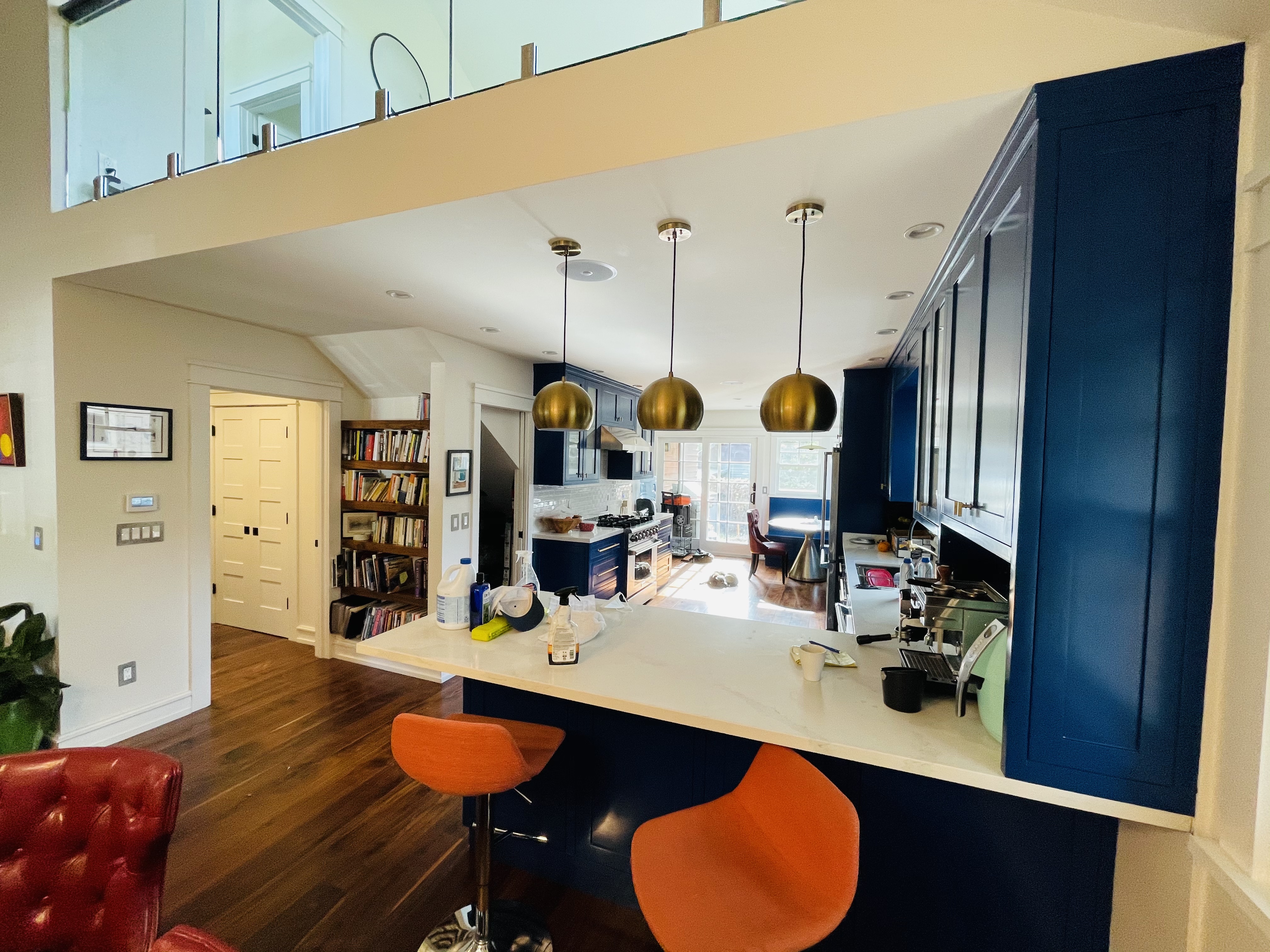
I developed the project in Revit from initial concept through a full permit set, coordinating architectural, structural, mechanical, electrical, and plumbing — and working through LA's planning and building review along the way.
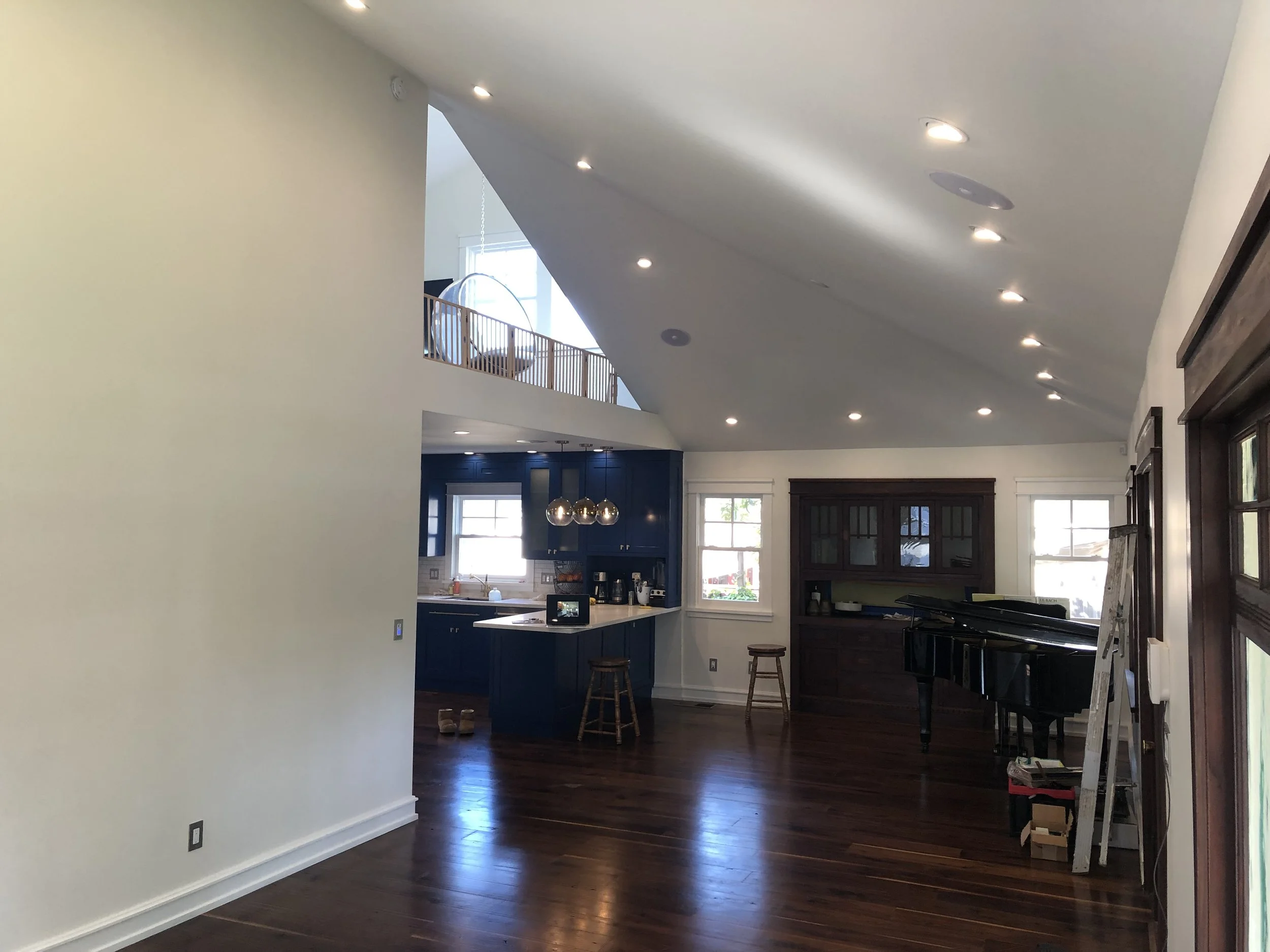
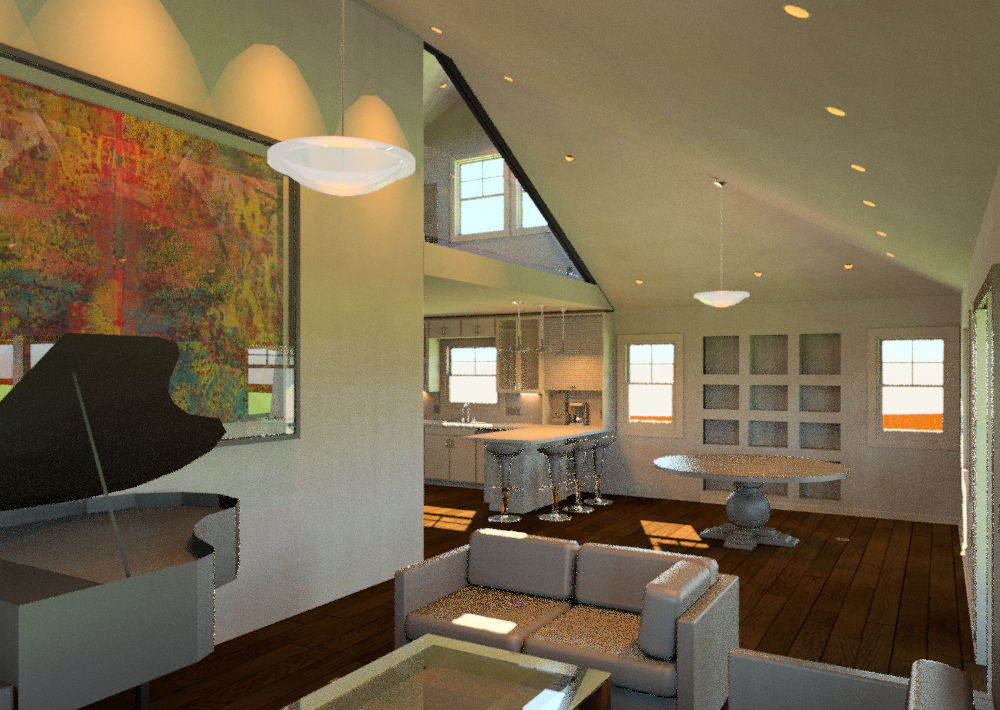
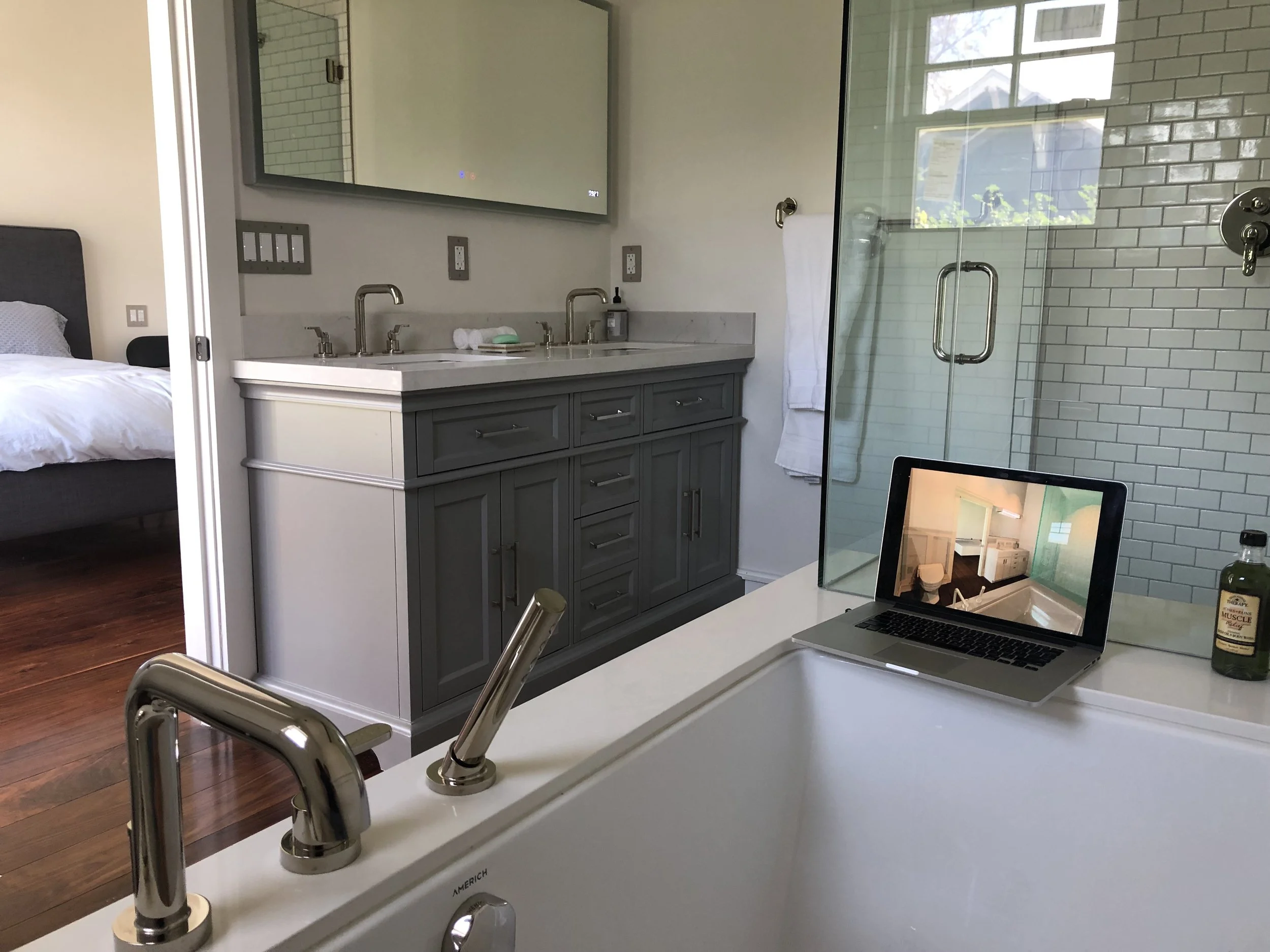
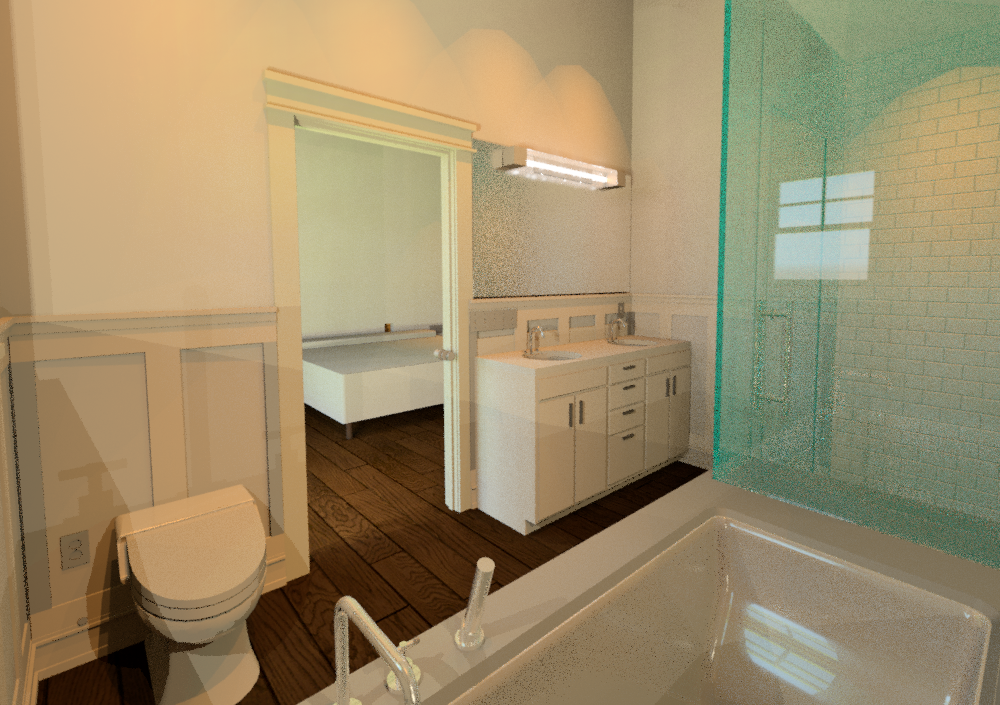
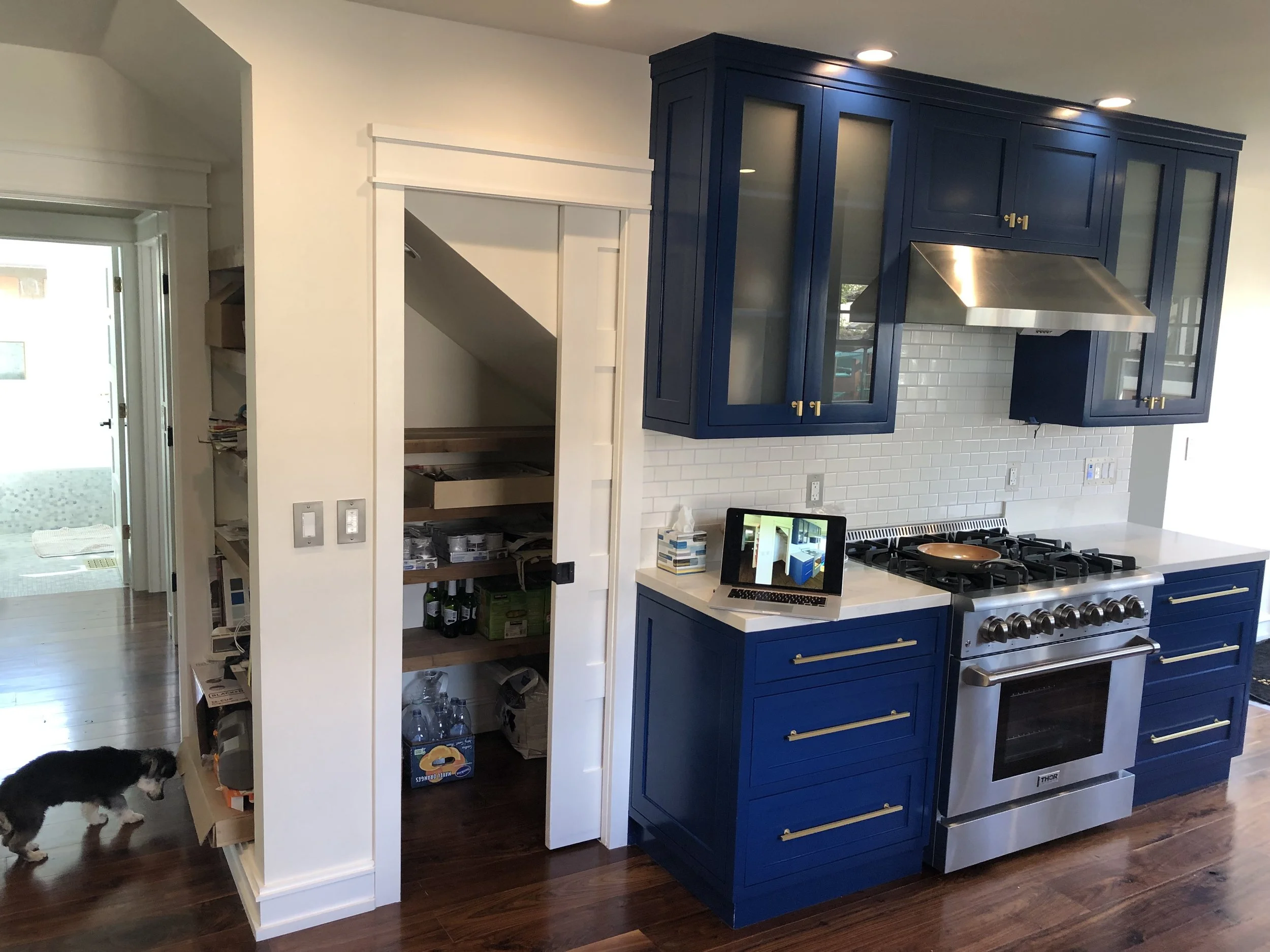
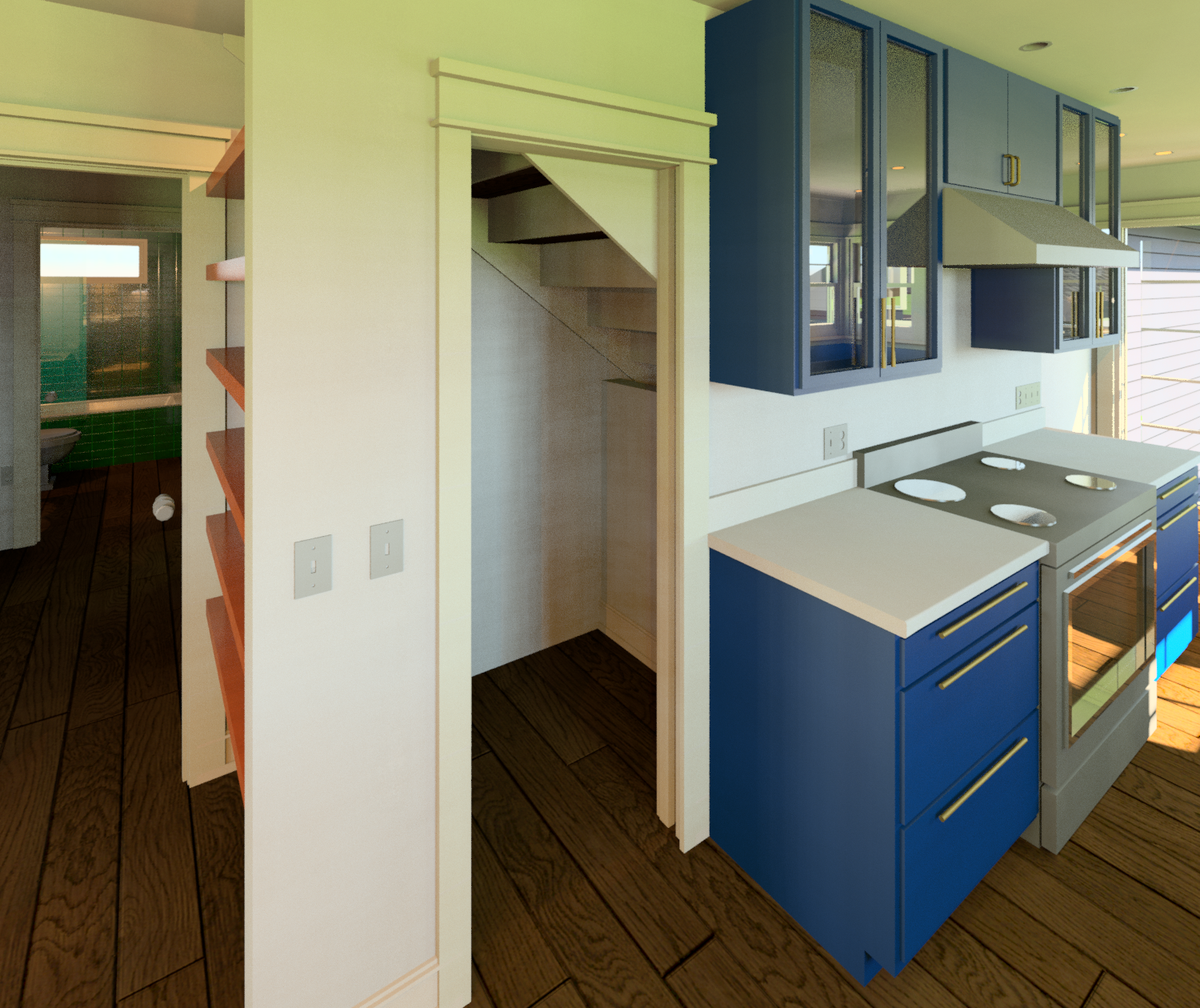
Design
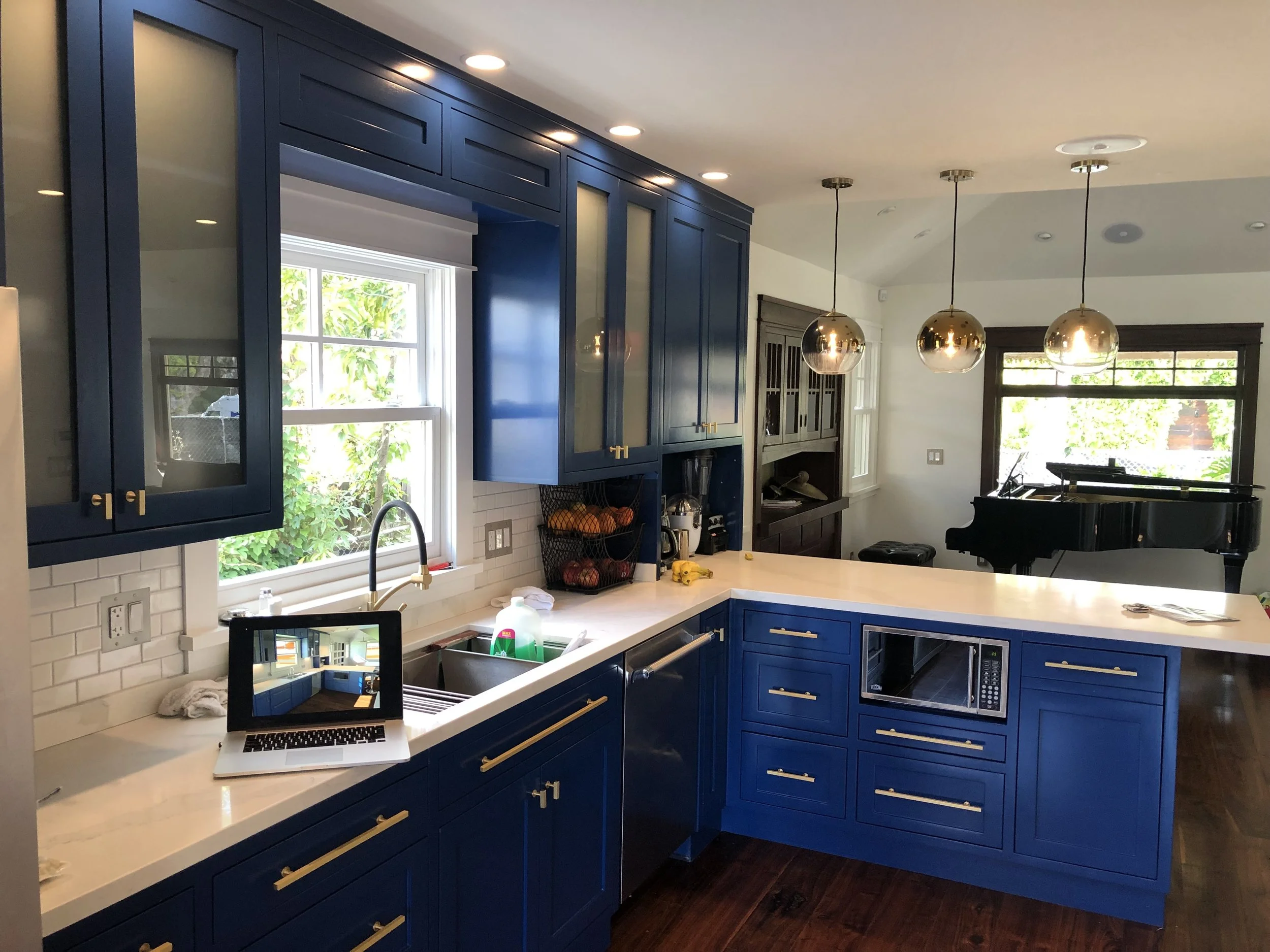
The goal was to preserve the proportions and craftsmanship of the original house while reorganizing it for how people actually live — more light, better flow, and a stronger connection between inside and out.
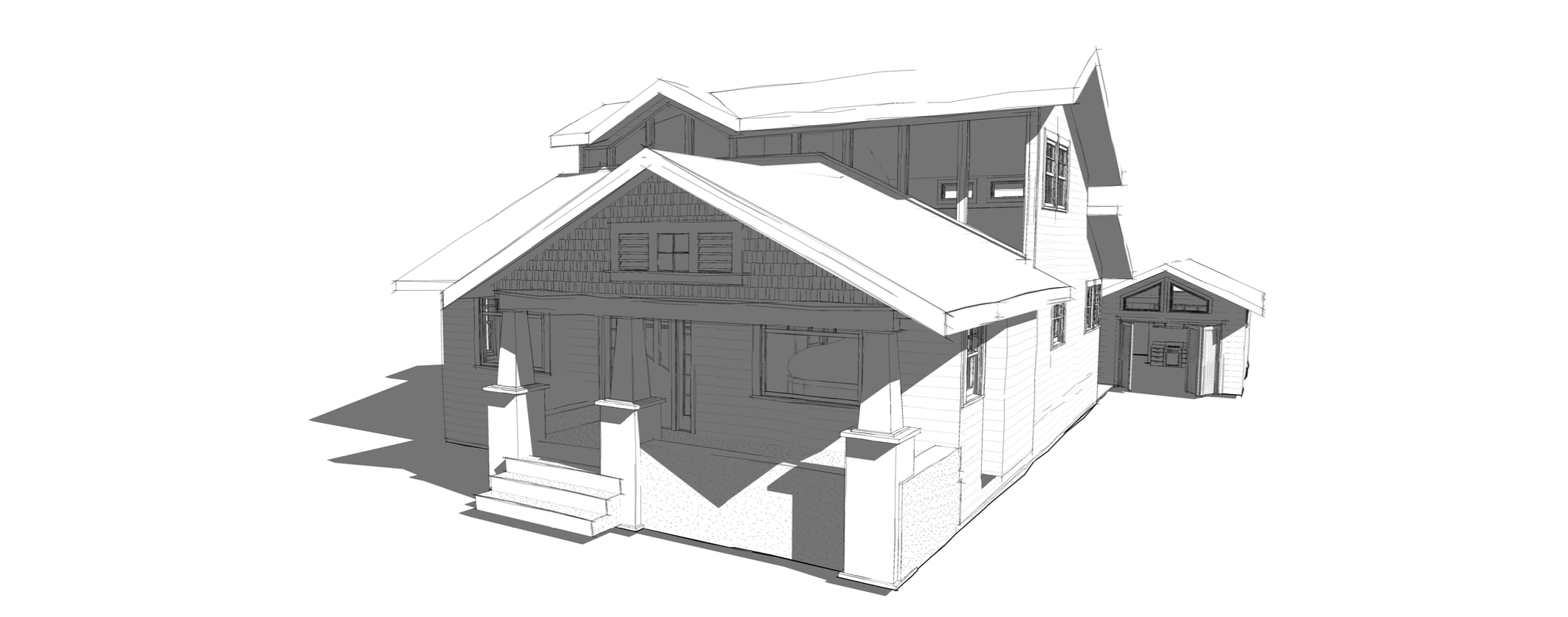
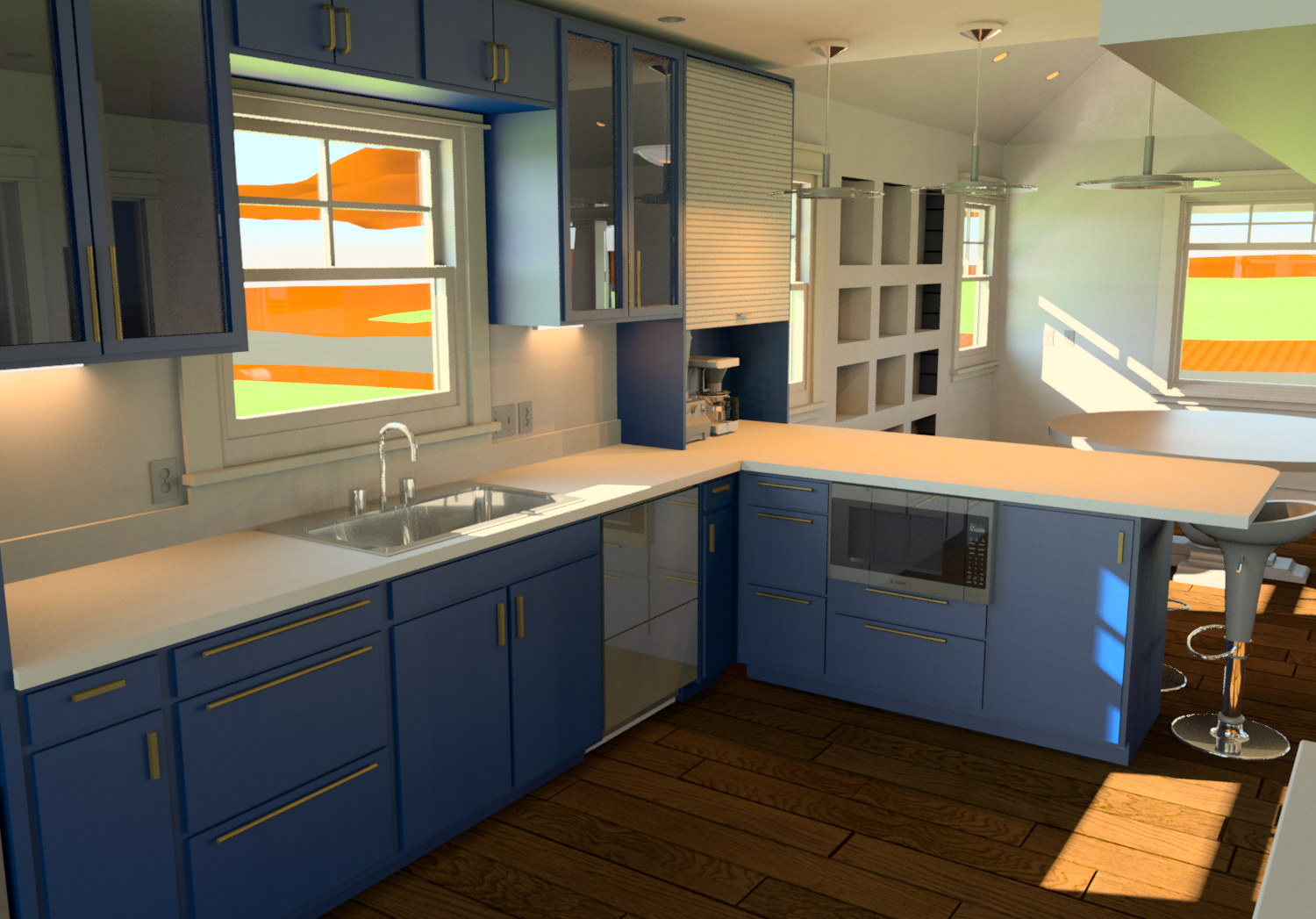
Every major decision was tested in 3D before construction began, so materials, massing, daylight, and details were worked out long before they hit the jobsite.
Drawn
The renovation was developed entirely in Revit, from early studies through a complete construction and permit drawing set.
The model became the central tool — for design development, visualization, consultant coordination, pricing, permitting, and construction.
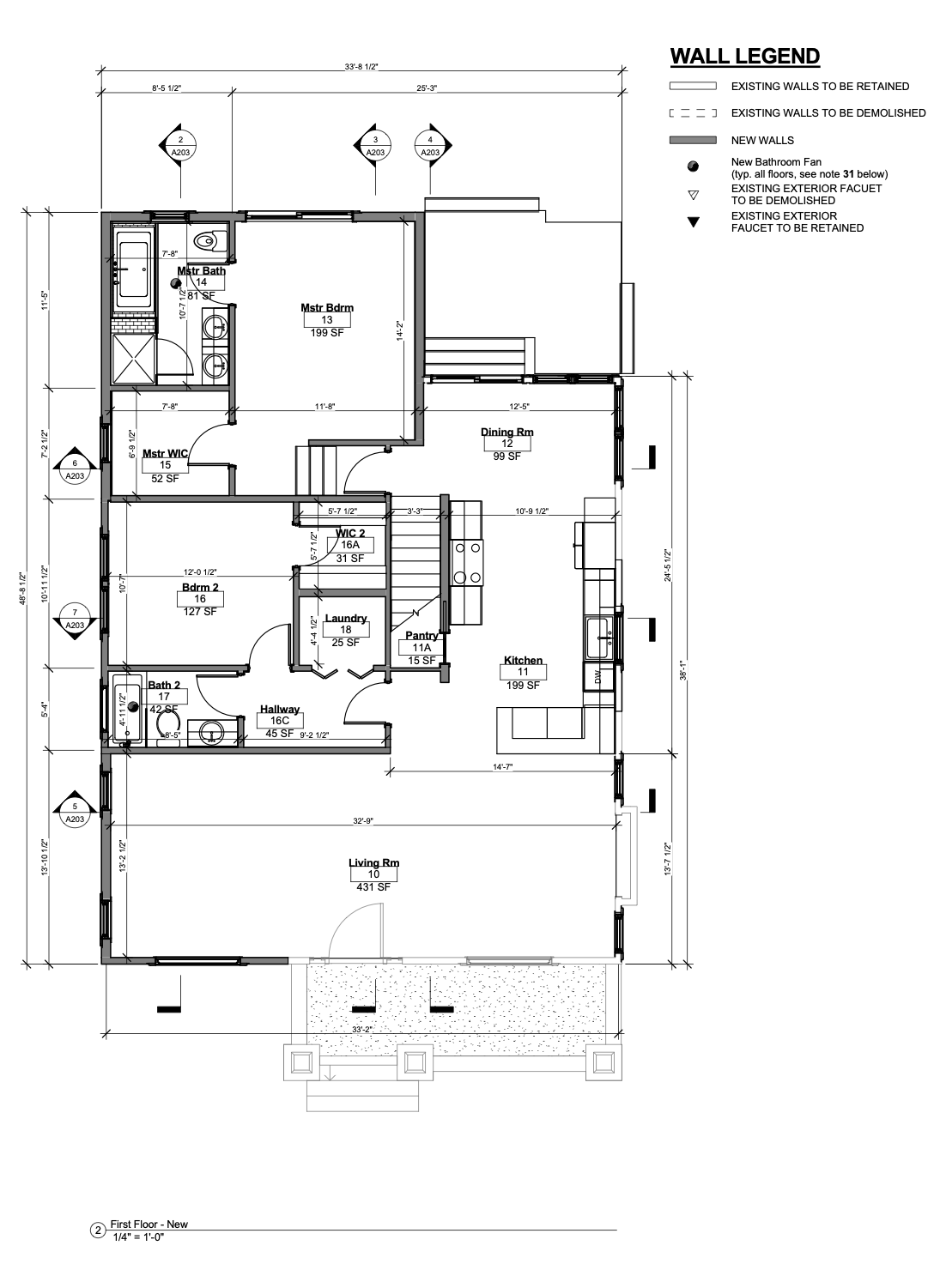
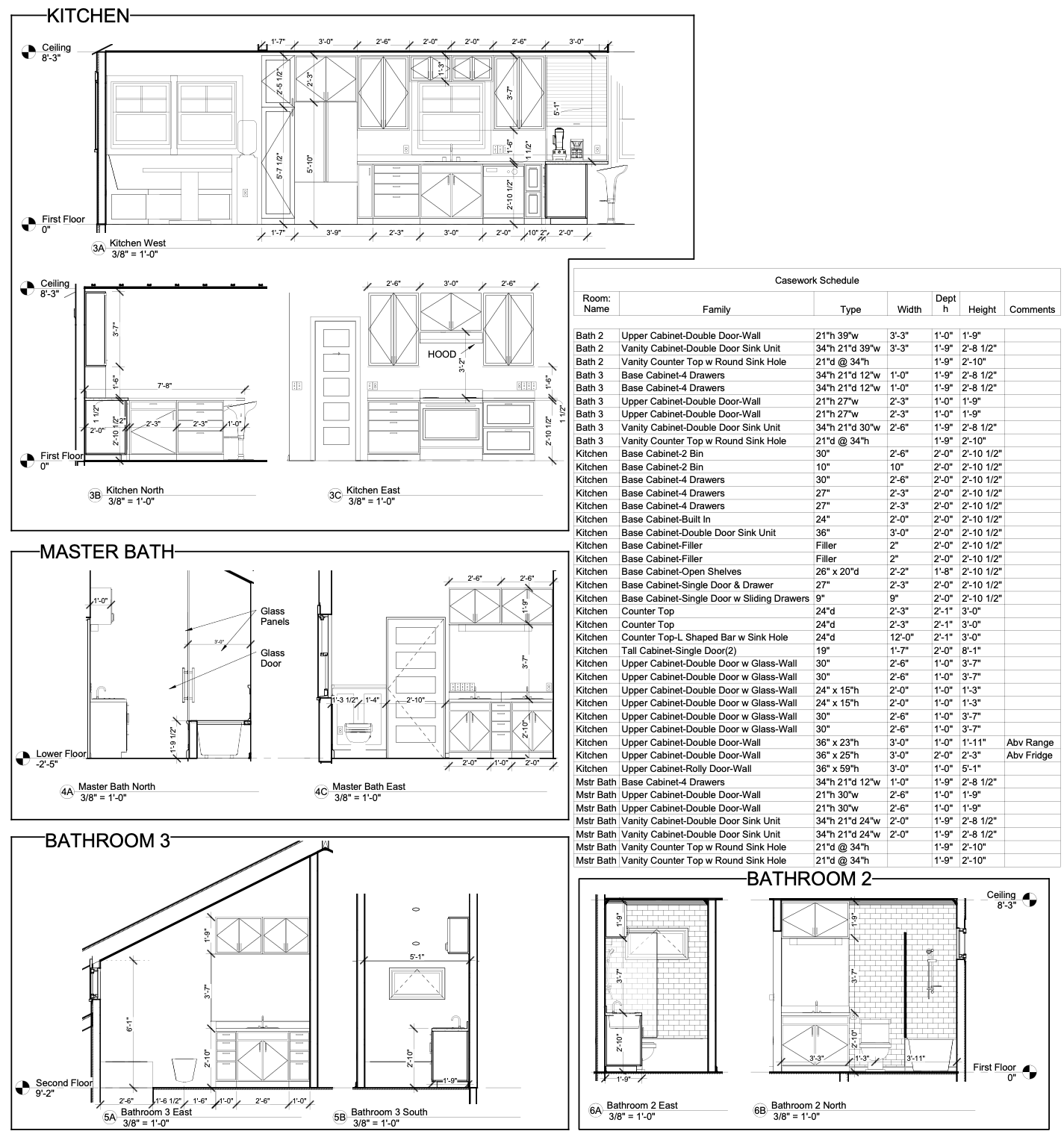
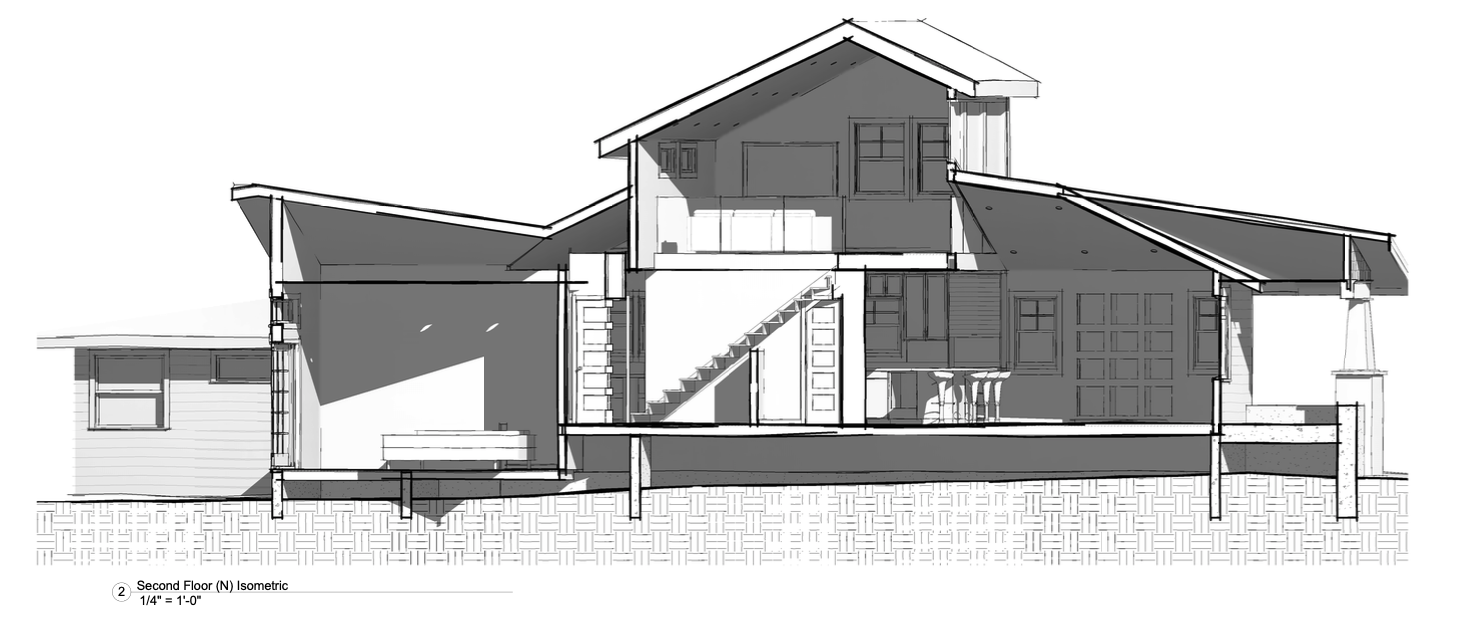
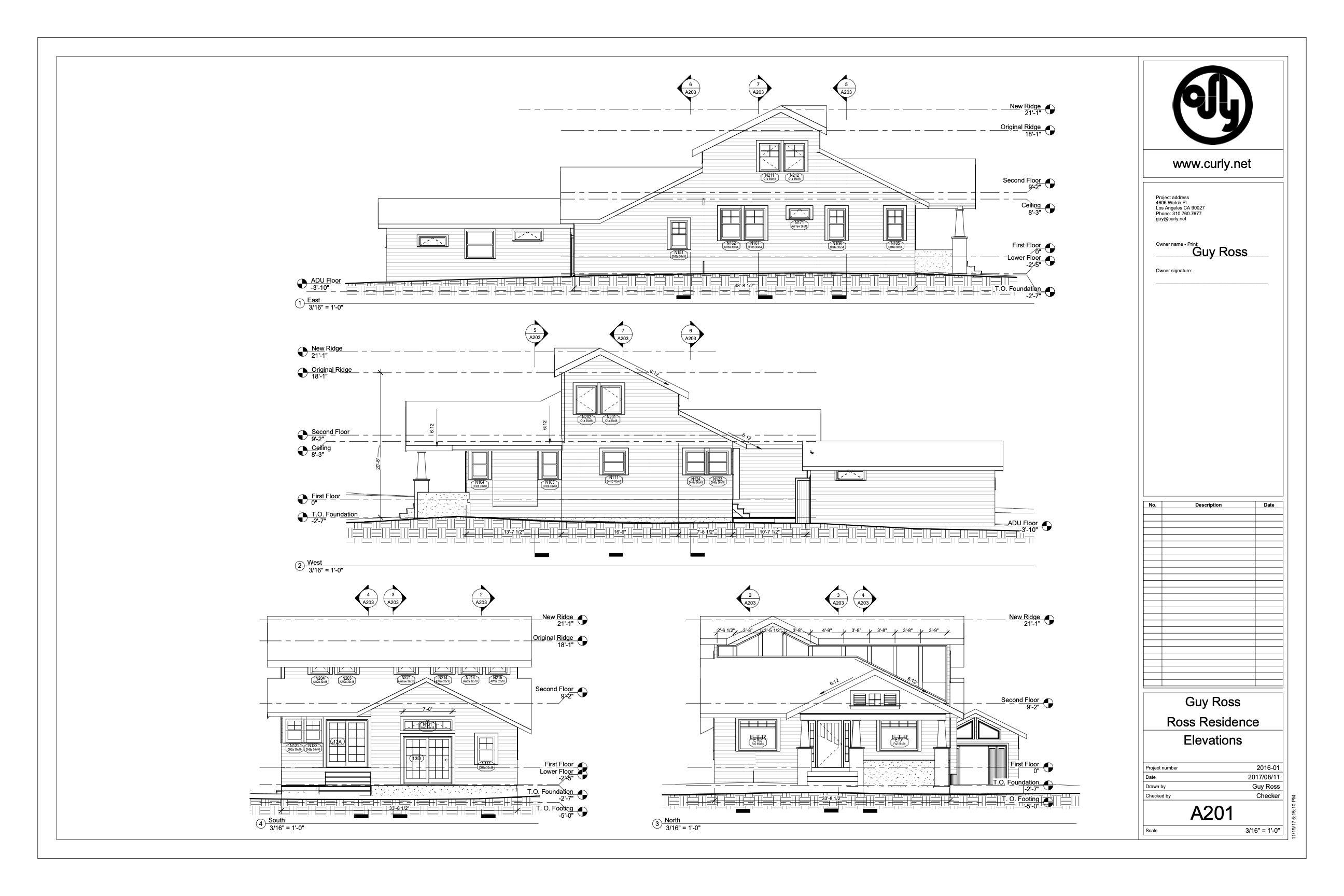
The final set included plans, sections, elevations, details, cabinetry, and construction assemblies that carried the project from concept through completion.
Permitted
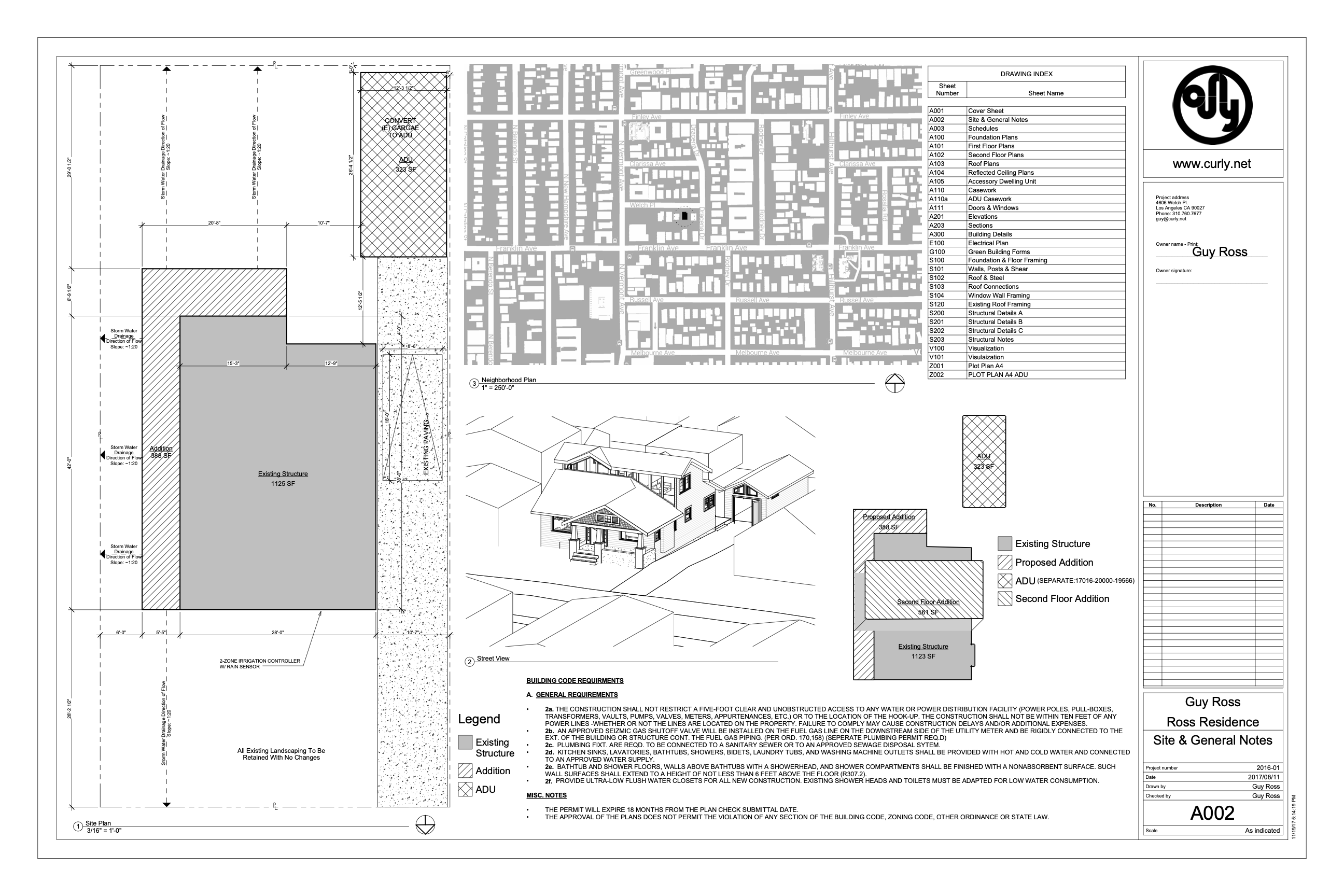
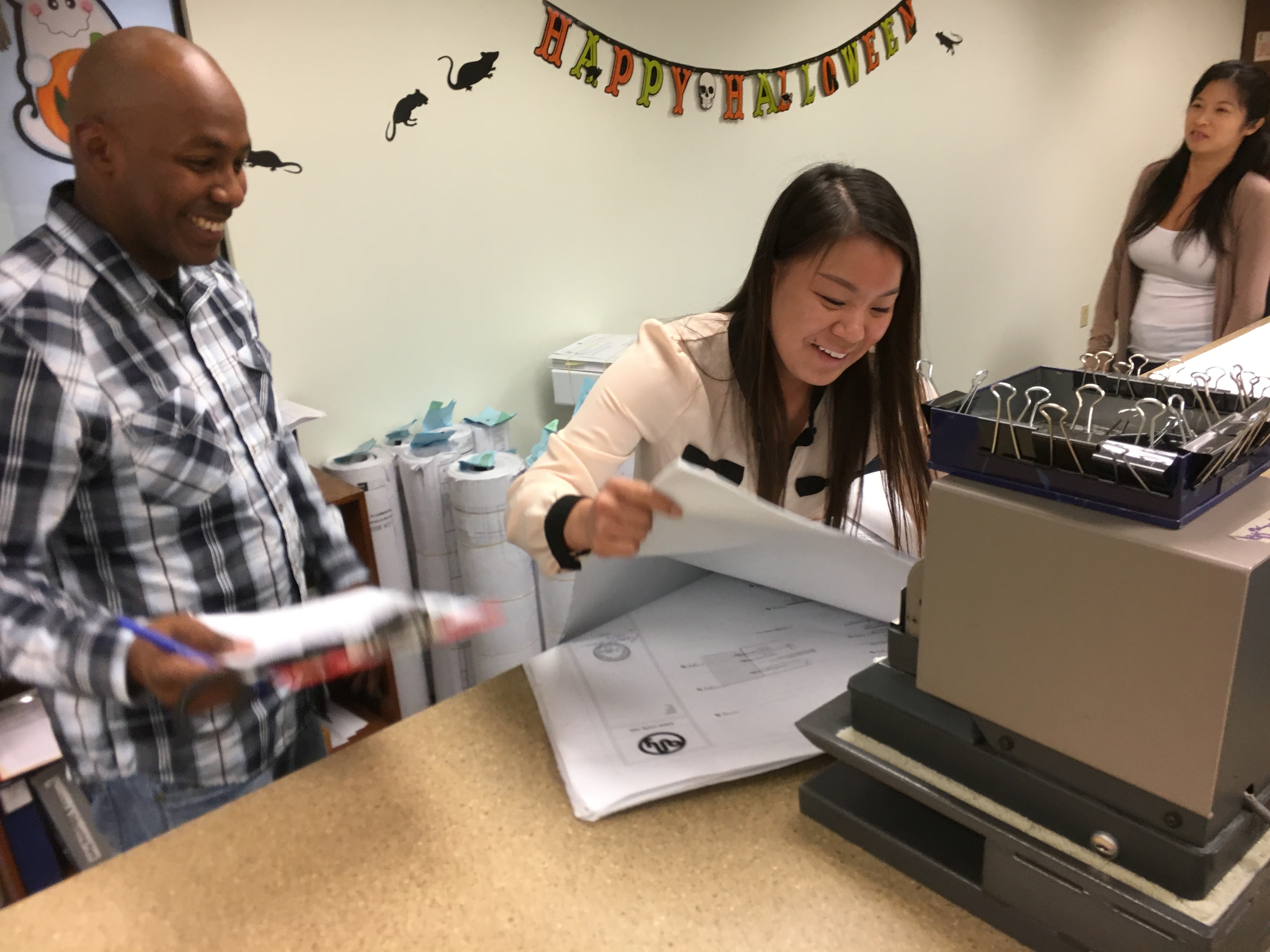
Updating a century-old Craftsman meant coordinating structural, mechanical, electrical, and plumbing work while navigating LA zoning, planning, and building requirements.
The permit process was a real education in code compliance and the gap between a design on paper and something a city will approve.
Built
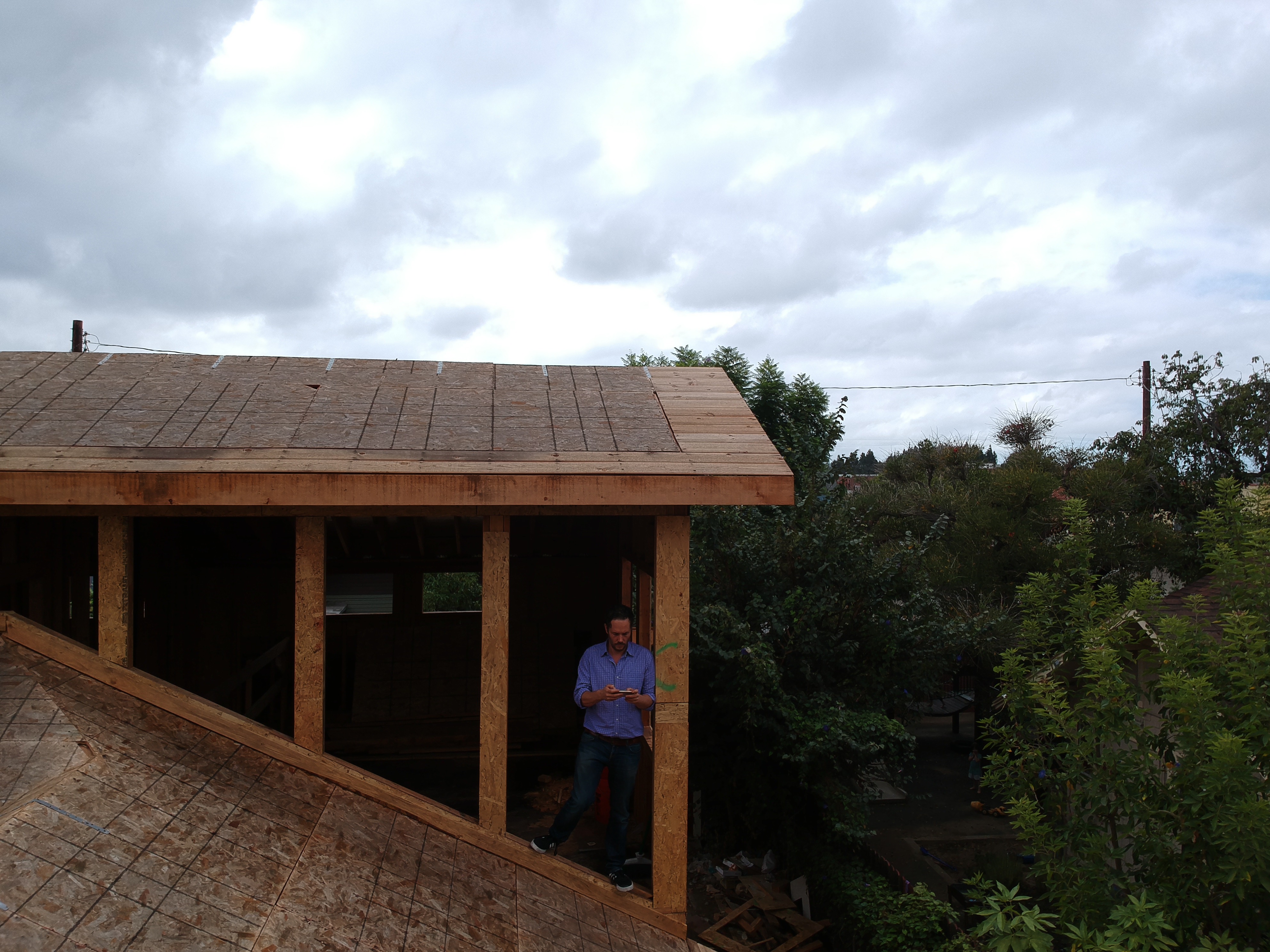
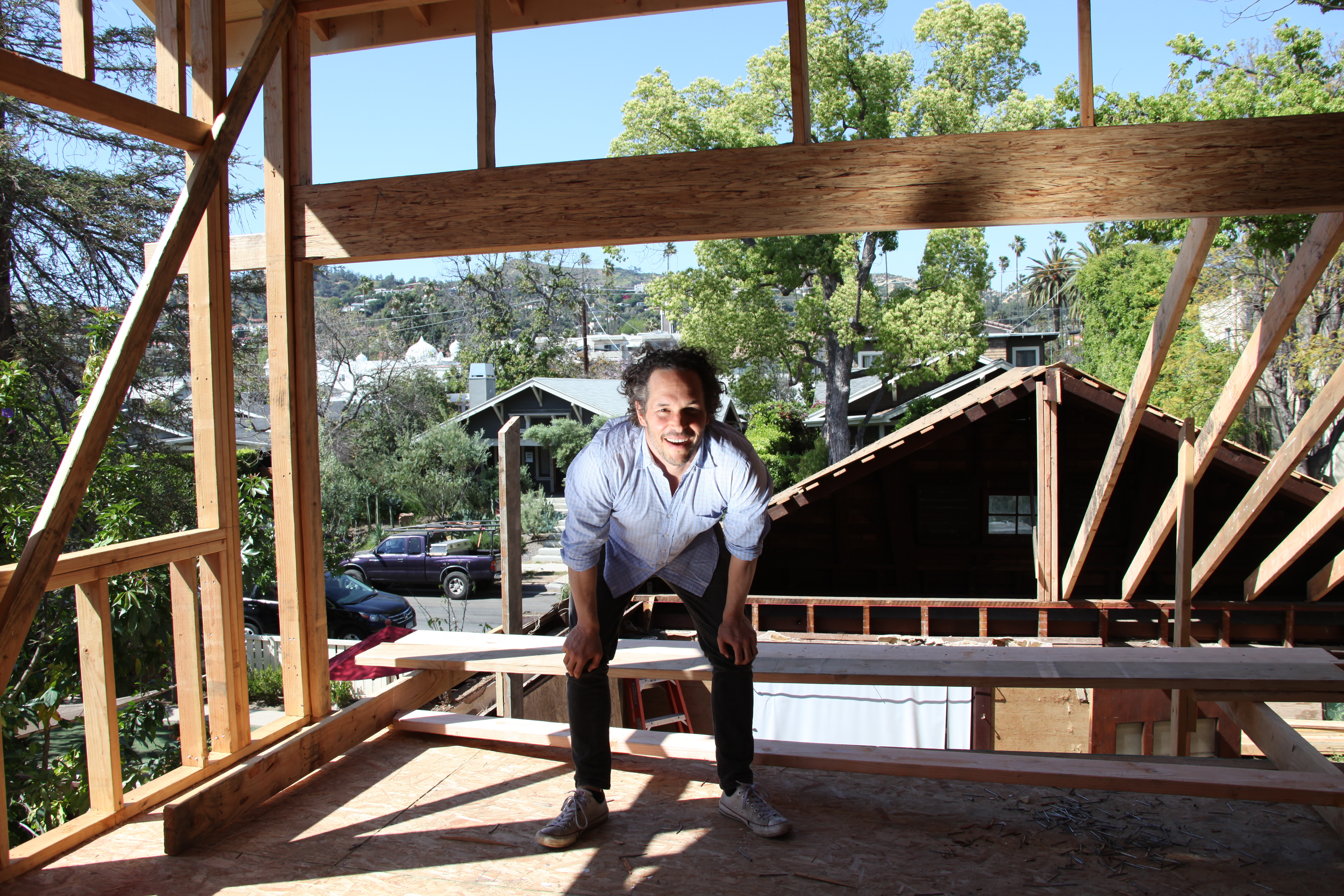
This part went well beyond drawings — hiring and coordinating trades, sourcing materials, evaluating products and assemblies, solving problems in the field, and keeping the built work aligned with the design intent.
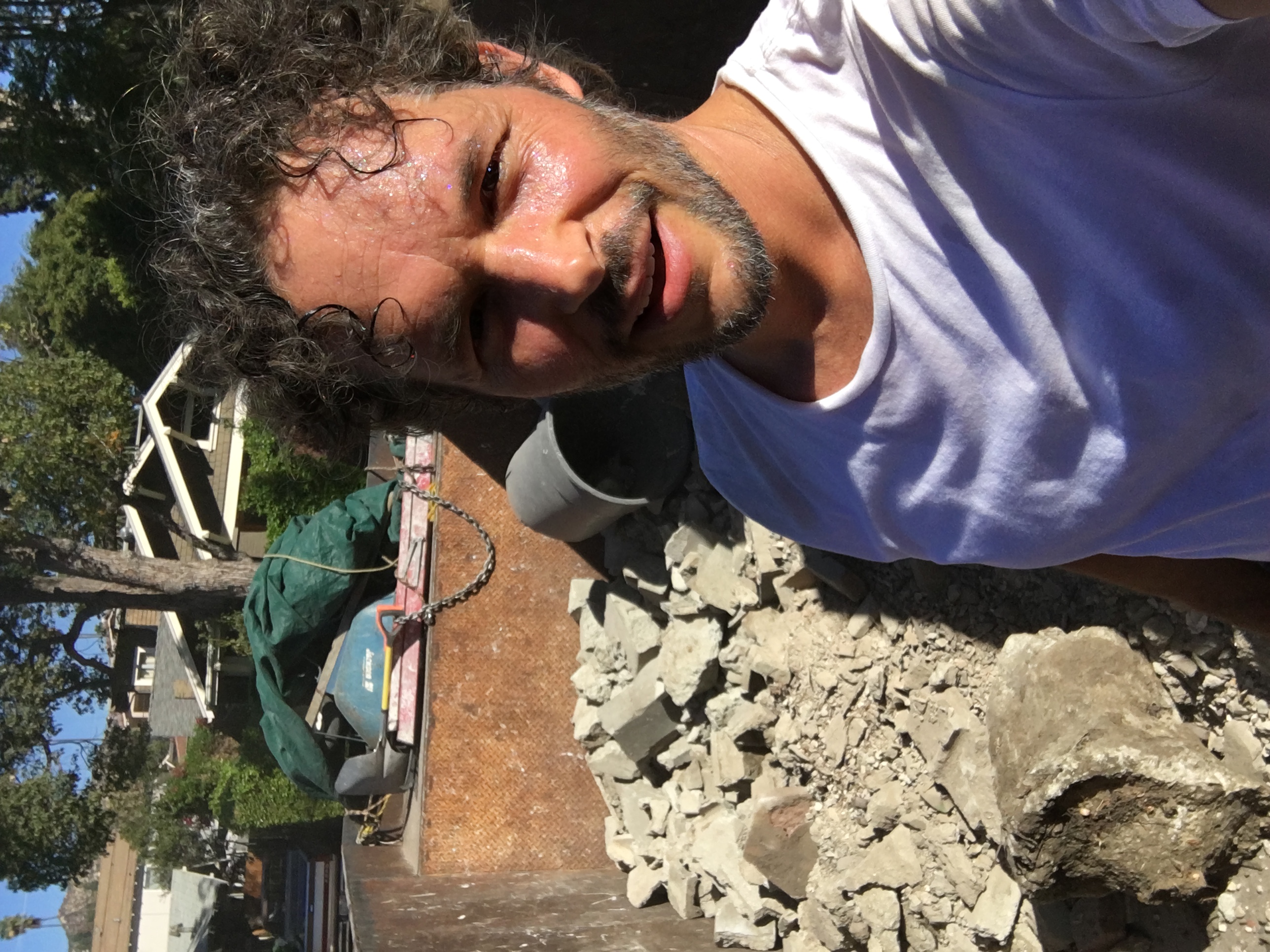
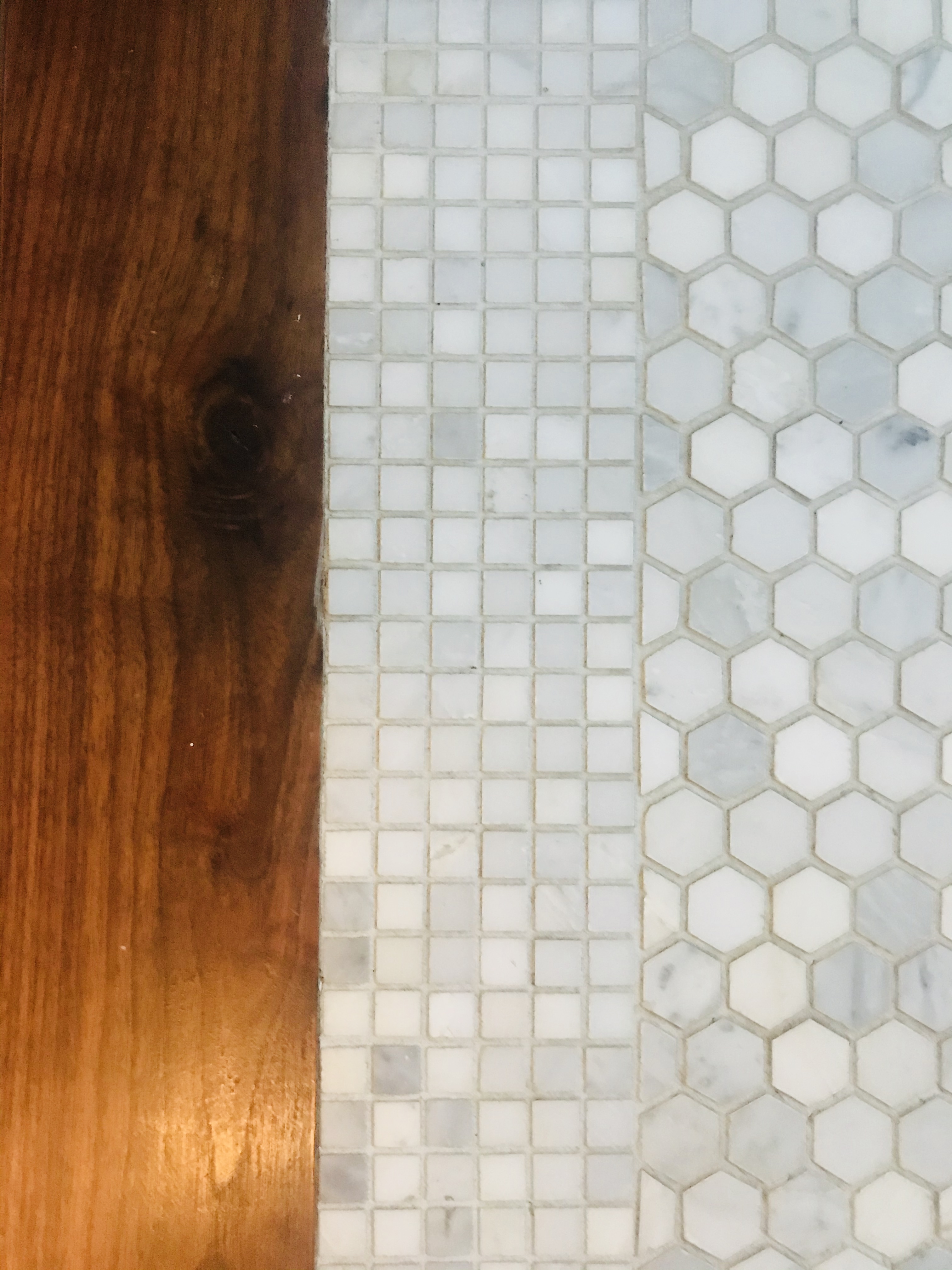
I also did some of the work directly — finish carpentry, door installation, low-voltage systems, custom details, and the fabrication problem-solving that comes up constantly on a project like this.
Construction is where design ideas become materials, tolerances, and craftsmanship — sometimes the hard way.
Completed
The finished house keeps the scale and character of the 1918 original while delivering the openness and comfort of a modern home.
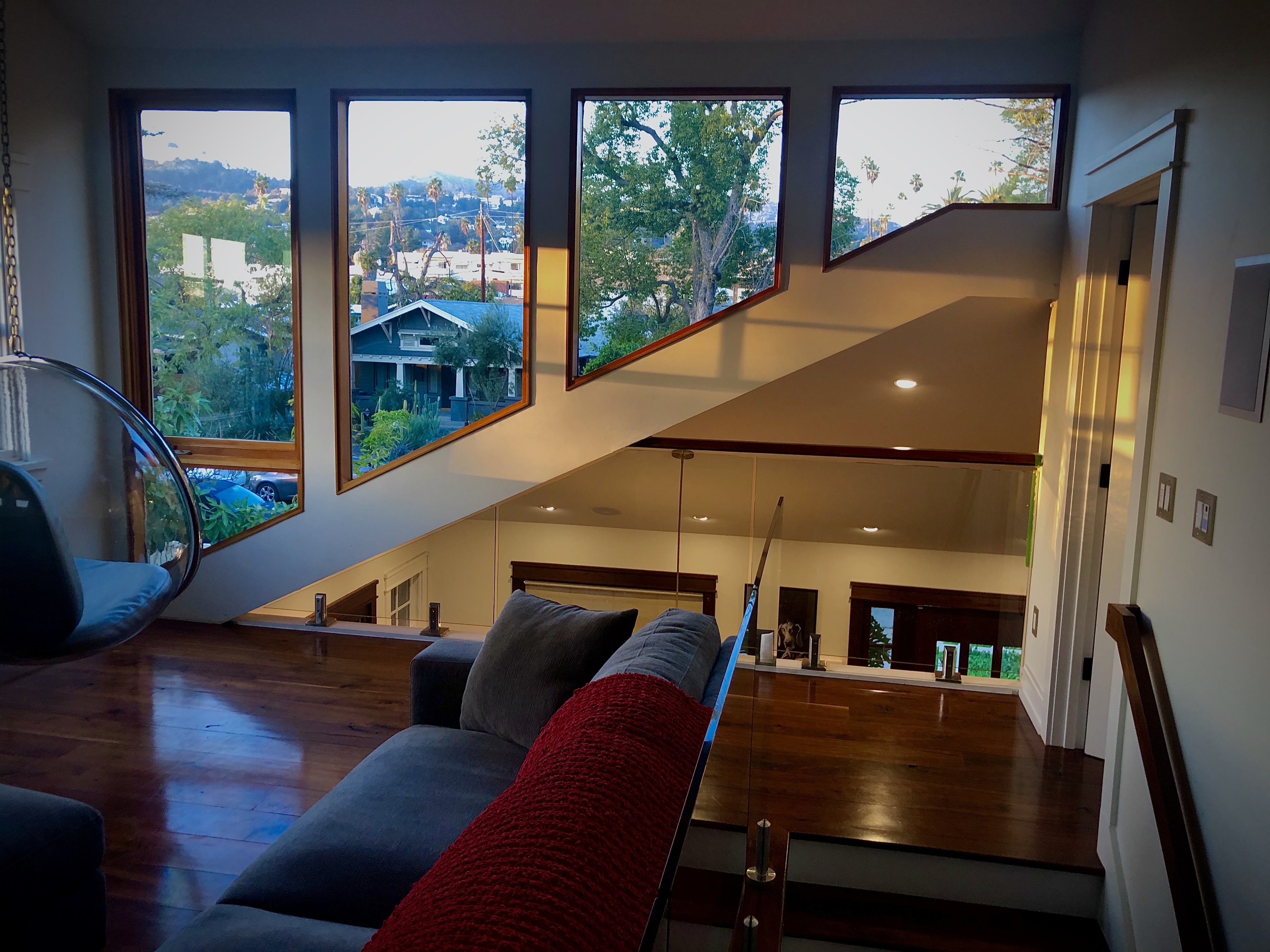
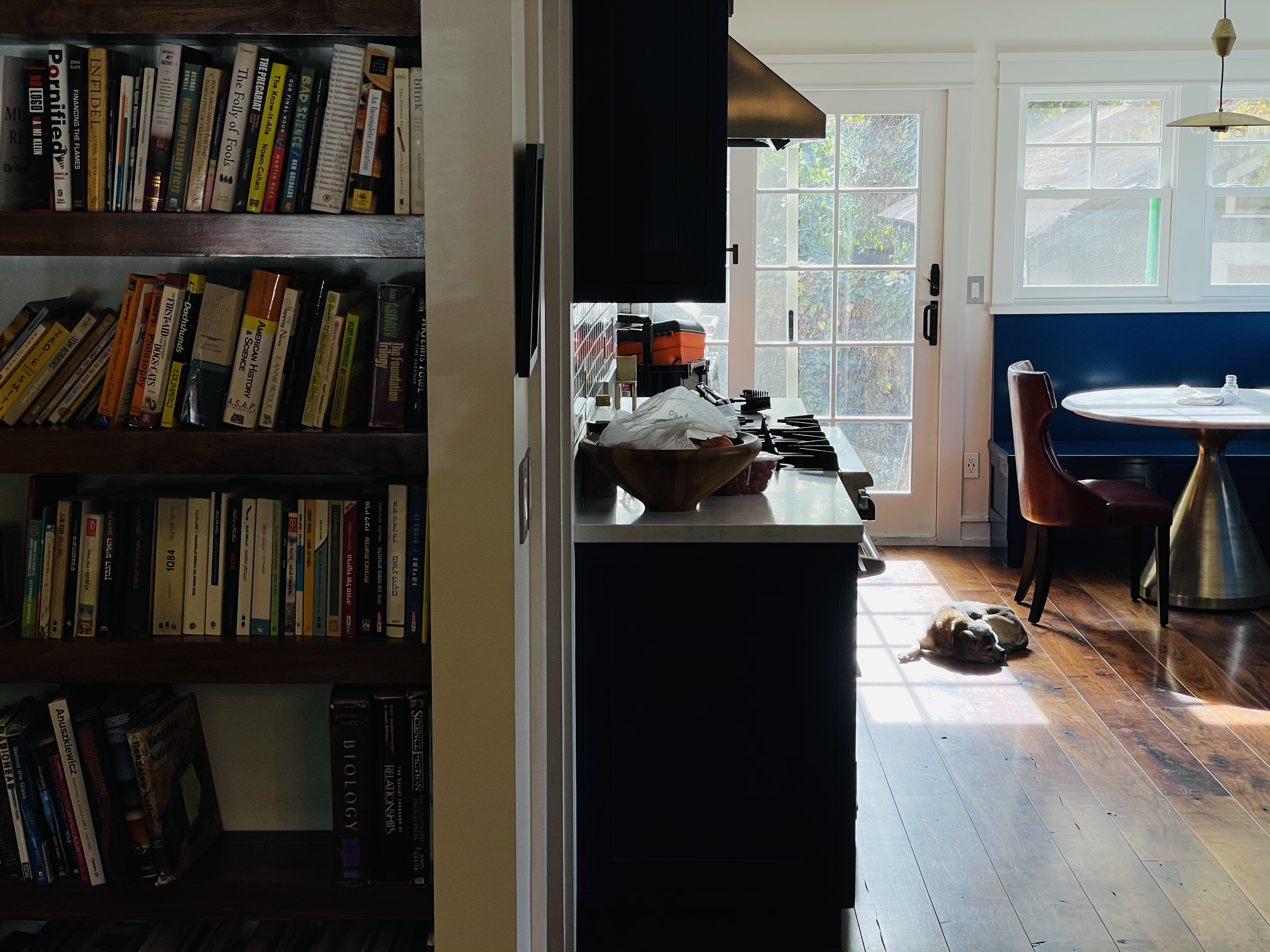
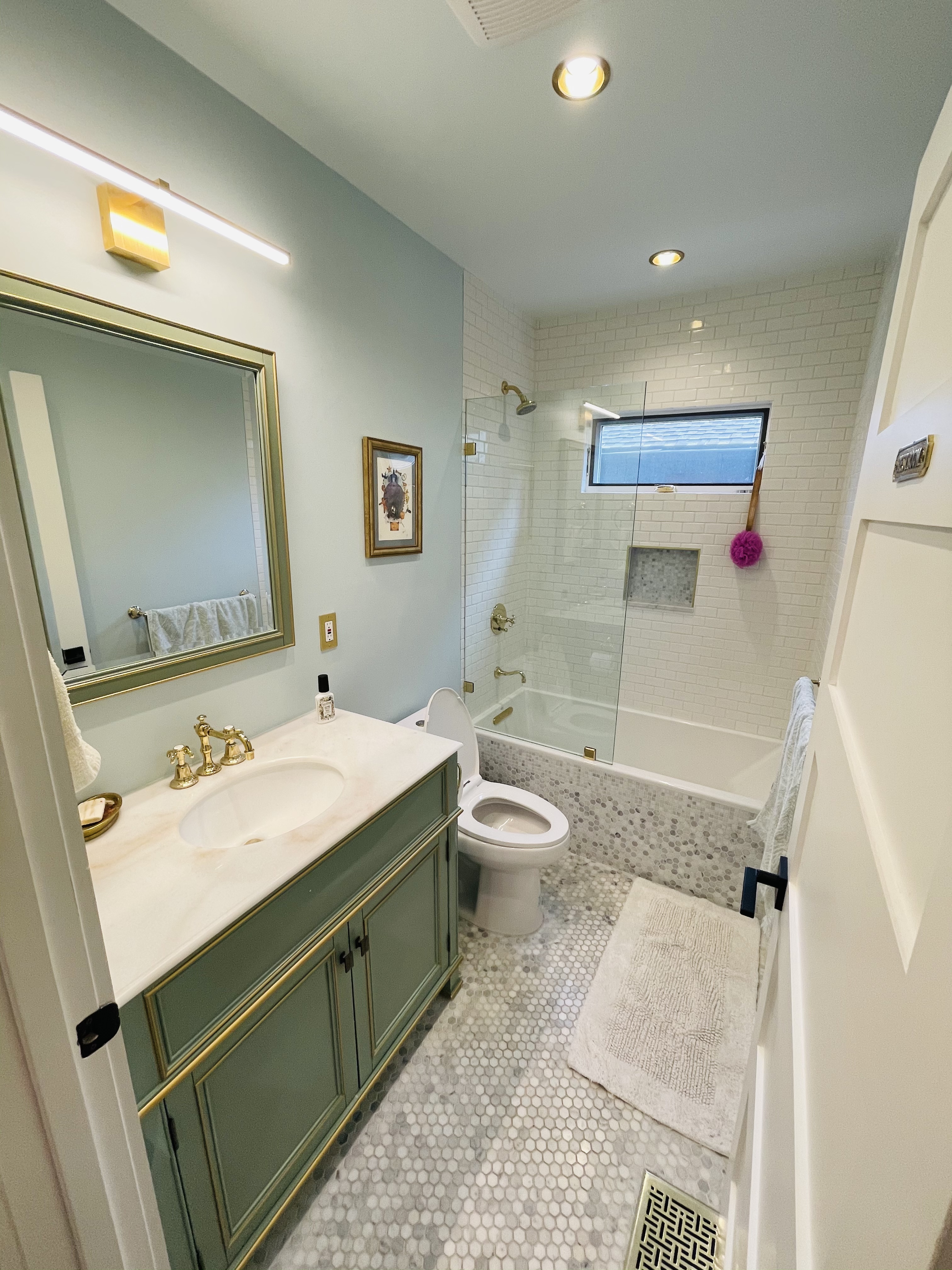
It ended up being as much an education in construction, permitting, and project management as it was a design project — proof that design, documentation, and execution have to work together to get something actually built.